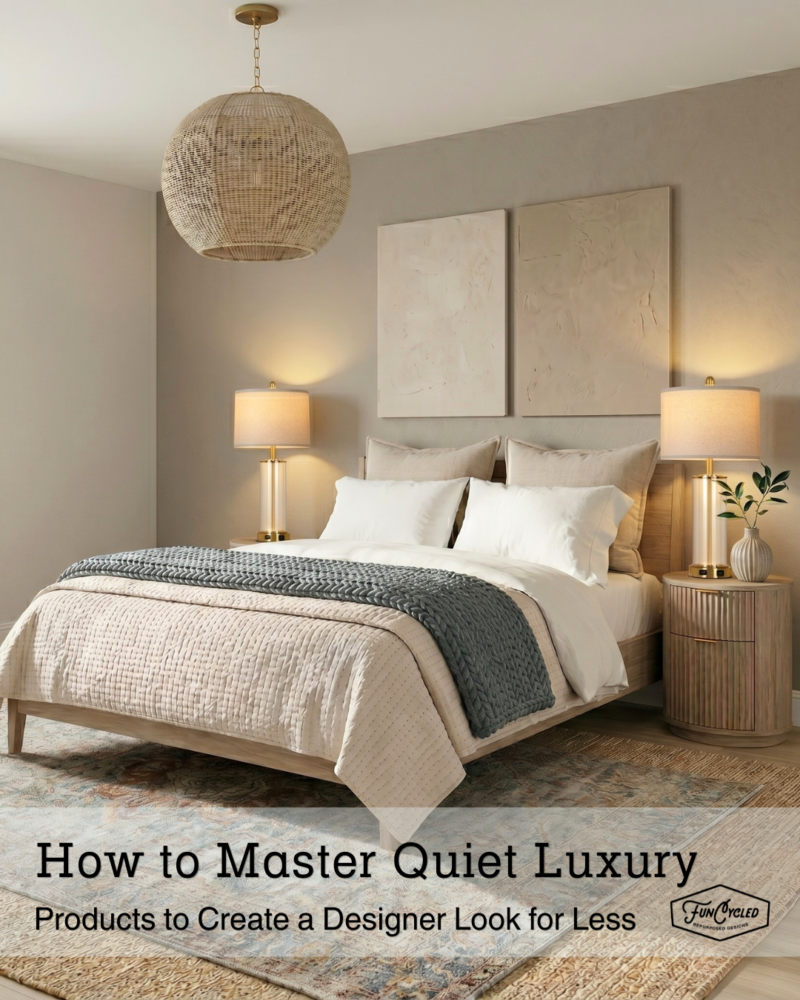
Posted on

Repurposing and Thrifting: The New Sustainable Luxury for Your Home

When we hear the word luxury, we tend to think of having the newest and the most expensive. But that simply just isn’t true. Luxury is about creating spaces that feel intentional, personal, and layered with meaning. Increasingly, the most captivating interiors are those that tell a story, where every piece carries history and purpose. Thrifting and repurposing have emerged as hallmarks of this new sustainable luxury, blending style, function, and eco-conscious design.

Why Thrifting and Repurposing Are the New Luxury

Repurposing transforms pre-loved objects into something newly relevant and beautiful. Far from bargain hunting, thoughtful thrifting celebrates craftsmanship, heritage, and uniqueness. A hand-carved armoire, a century-old desk, or a vintage chair reimagined with a fresh finish can anchor a room, offering pieces that are both functional and deeply personal.

Consider repurposing an old dresser (or as in my case, vanity) and having it right at your entrance. The rich color offers an invitation of joy to guests while providing some needed quick storage solutions and place to tuck keys, hats, or gloves.

Tip 1: It’s a Long Game – True luxury today is about patience,
vision, and longevity.

Funcycled design team

By giving new life to well-made items, we preserve their story while contributing to sustainability, reducing landfill waste, and honoring generations of craftsmanship.

The Art of Transforming Pre-Loved Pieces

Customization lies at the heart of repurposing. A dresser might be restained to reveal its grain and paired with modern hardware, while a hutch painted in a sophisticated hue becomes both a storage solution and a showpiece. Even small thrifted items can be elevated with a fresh perspective, adding layers of texture, color, and personality to a space.

I love vintage copper and brass, and I like to add them into my decor throughout my house. Sometimes, this looks like a collection clustered together and displayed on a shelf.

And sometimes, it is just a few small pieces mixed around other collections to add touches of warmth, letting another story unfold.

Tip 2: Ask Before You Buy – When considering a thrifted piece, ask: Would I use or display this today? Thoughtful selection ensures your home feels curated rather than cluttered, keeping only what is purposeful, functional, and beautiful.

FunCycled Design Team

Sustainability Meets Style: How Thoughtful Choices Elevate Your Home

Materials matter. Natural fabrics like linen or cotton for table linens, and durable stoneware or ceramic for dishware, create timeless appeal while lasting for years. Low-VOC paints and eco-friendly finishes enhance health and sustainability without compromising style.

By blending repurposed items with modern elements, you create interiors that feel layered, collected over time, and deeply personal. Even small details, like distributing standout vintage crocks and ceramics across a table or using a simple runner to ground a mix-and-match setting, showcase intentionality and style. Situating fresh, updated patterns, like the one found in these napkins, along every table setting work to unify the mix of old and new working together.

Tip 3: Mix & Match with Cohesion – Even eclectic thrifted finds feel intentional when you tie them together with a consistent color palette, layering, and repeated design details.

FunCycled design team

Designing a Home with History and Personality

Owning a piece that has lived before adds emotional depth. It carries whispers of past dinners, letters, and lives witnessed, infusing your space with a sense of continuity and story. When reimagined thoughtfully, these pieces bridge eras and styles, creating interiors that feel cultivated, not staged.

There is also something deeply personal about repurposing. It allows us the space to make selections that are meaningful to us and offers an opportunity to reflect the things we value. Consider all the lives before you with a repurposed piece of furniture. You are not limited by styles, colors, and trends that come with so many items when you buy new.

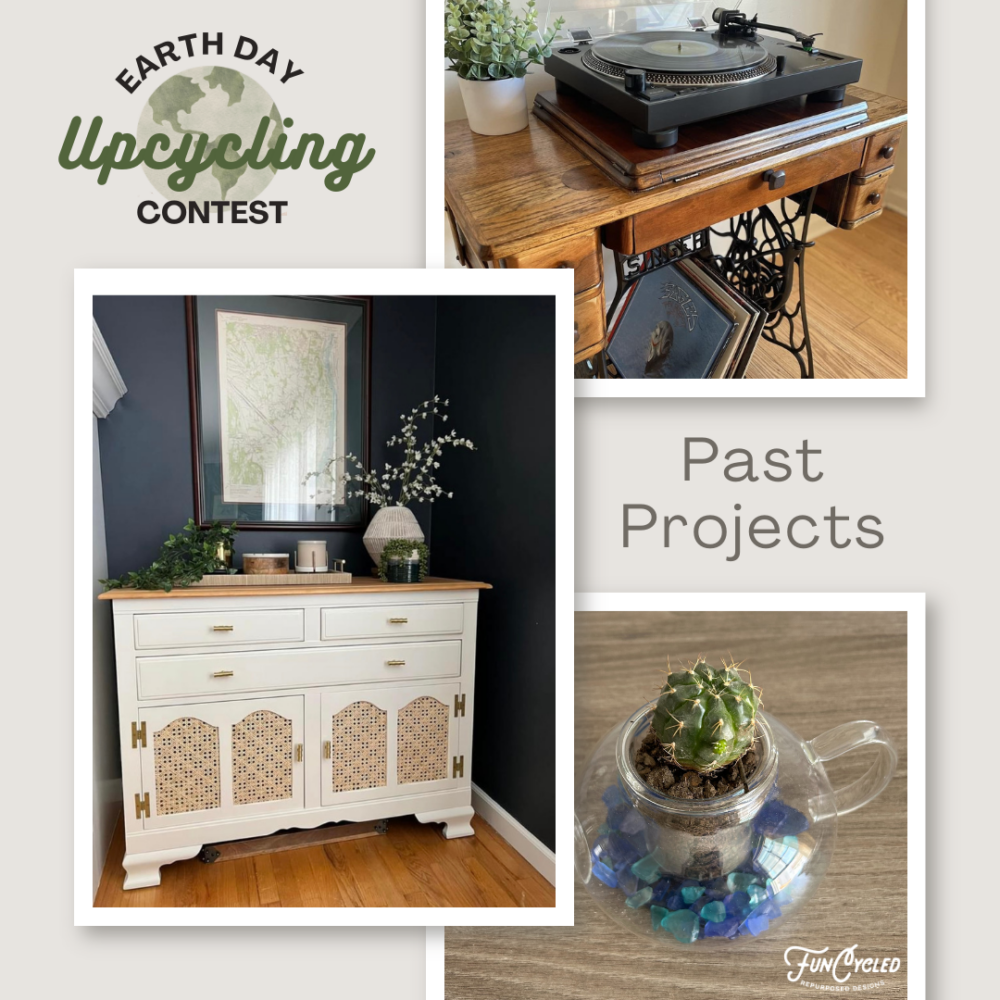
Take a look at some of the furniture items we have repurposed over the years. With each piece, we found ways of restoring worn corners and finishes while embracing fresh perspective on the character and history. Every time, it is unique.

Repurposing and thrifting are the antithesis of instant gratification—they require care, attention, and vision. But for the discerning homeowner, this process results in a home that is entirely unique, richly layered, and sustainably luxurious.

Bringing It All Home

Creating a home with meaning doesn’t require buying new. At FunCycled, we believe beauty comes from honoring what already exists: repurposing well-made pieces, celebrating craftsmanship, and designing spaces that feel peaceful, personal, and lived-in. Thrifting and transforming pre-loved items is more than a design choice; it’s a way to slow down, choose intentionally, and build a home that reflects your values as much as your style.

If you’re ready to explore how sustainable luxury can take shape in your own space, we’d love to walk with you. Book a design consultation, and together we can reimagine your home with thoughtfully curated pieces that tell your story and support a more peace-filled, purposeful way of living.

Thank you all for following along! If you’d like to get this blog in your email once a week, please sign up for our weekly newsletter by adding your email in the little box below my picture at the top of this page. 

If you’ve enjoyed this post, please like FunCycled on  FacebookInstagram and Pinterest if you don’t already. Keep up to date on the newest finds, vote on colors and give your input on our creativity. We share fun tutorials, great before and after, and new design inspirations. 
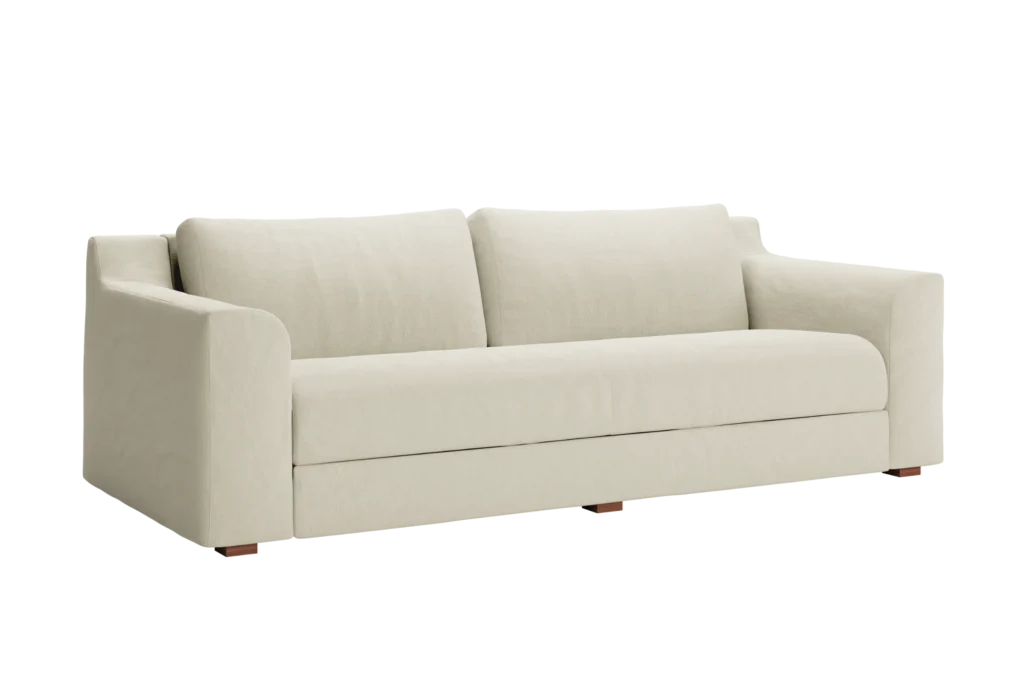
We offer interior designkitchen cabinet painting, and custom built tablesbarn doors, and repurposed furniture. Thank you, again, for working with us and for taking the time to spread the word about what we do. 

Happy FunCycling Friends,
Sarah ; )

Exquisite Spaces. Sustainable Designs. Brighter Futures.
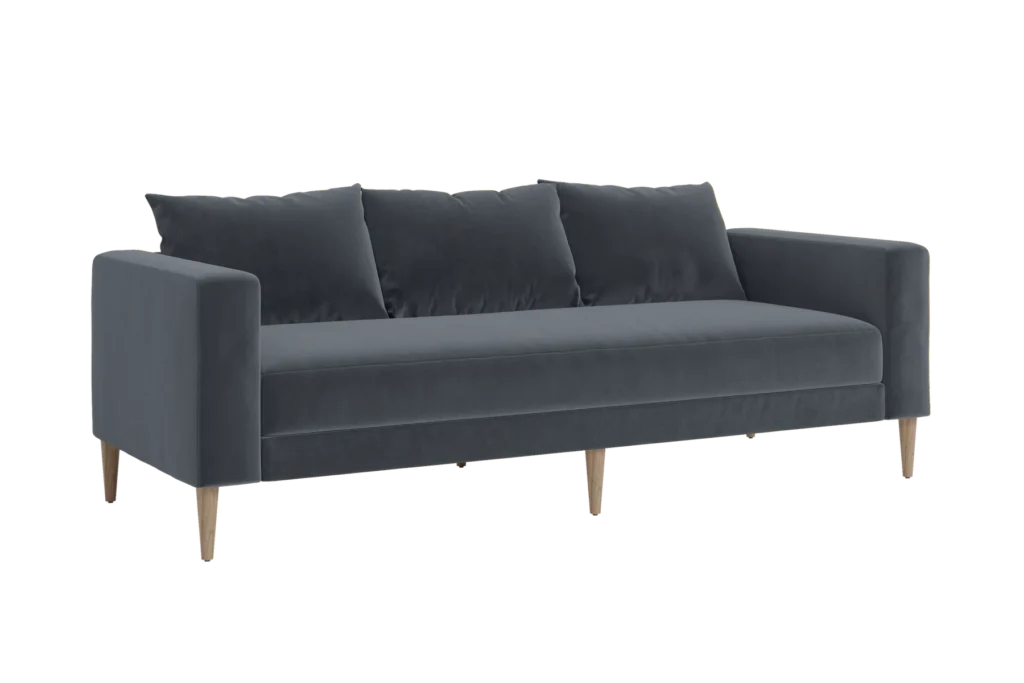
Note some of the the links provided are affiliate links, and I may earn from any qualifying purchases.

Posted on

Kitchen Makeover Ideas: Warm Taupe Cabinets with Black Island for a Timeless Look

Transforming a kitchen is so much than just updating finishes. Creating a space that feels both functional and welcoming is key to personalizing your home and making it a fit for you and your family. In this kitchen makeover, we turned a dated, oak-toned space into a warm, sophisticated room that balances timeless style with everyday livability. By introducing soft taupe cabinets, a striking black island, and curated touches of black and gold hardware, we were able to add depth, contrast, and personality while maintaining a cohesive, inviting atmosphere that flows seamlessly into the adjoining dining area.

Here’s where this kitchen started.

Like so many homes, this kitchen started with good bones. The layout and flow worked well and the quality of the cabinets served as a great foundation. What it needed was a cohesive plan.

Transforming the Cabinets with Warm Taupe and Striking Black

One major goal was to break up all of the wood tones in this room. That meant selecting a lighter and softer shade for the cabinets. We chose Ashley Gray, a warm taupe for softness while still adding depth, for the cabinets. And to ground the room, we selected Lincoln Cottage Black, an earthy and warm black, for the island and cabinets in the adjoining space. This pairing offers a timeless palette of subtle gray against the deep and rich black.

These are the colors we used for this kitchen.

To echo the gorgeous contrast, new lights replaced the outdated ones. The sleek lines add a modern feel to the room.

Creating a Built-In Look with Custom Details

To help bridge the kitchen and dining area, new cabinets were added to each side of the window at the end of the room. This window serves as the “end cap” of the long room where the kitchen flows one into the next.

Installing wainscoting along the dining area wall allowed us to create a smooth transition between old and new elements while giving the entire wall a true built-in feel. These thoughtful architectural details help the kitchen and dining room work together visually rather than feeling like two separate spaces.

Creating a built-in look instantly grounds a space, giving it purpose and definition while elevating the style and adding meaningful character

Pro tip from the funcycled design team

Layering Hardware for a Curated, Cohesive Finish

Hardware is one of the simplest ways to bring dimension to a space, and in this makeover, it played a key role. We chose a blend of matte black and brushed gold pieces to give the kitchen a collected, designer feel. The combination adds warmth and contrast without overwhelming the cabinetry, and the mixed finishes introduce subtle sophistication that elevates the entire palette.

By keeping the lines of the hardware the same, mixing the finish remains cohesive.

Pro tip from the funcycled desing team

Updating the Dining Area for a Seamless Flow

To visually connect the kitchen and dining room, we refinished the dining table with a soft, neutral brown that complements the new cabinet tone. The base of the table and the dining chairs were painted in Lincoln Cottage Black to echo the island and tie the two spaces together. The result is a dining area that feels intentionally linked to the kitchen while still maintaining its own inviting identity.

Here’s a picture of the table and chairs before we worked our magic. Much like kitchen cabinets and the wood on wood tones, this set did not stand out at all from the floor and really from the kitchen.

And here are the table and chairs after being refreshed. What a difference!

Adding Warmth Through Textures, Leather, and Greenery

To keep the newly refreshed kitchen from feeling too polished, we layered in warm textures and natural elements. Caramel leather saddle stools add a touch of richness, while the wood accents and greenery bring softness and an organic feel. These styling details introduce everyday warmth and personality—proof that even small additions can transform the mood of a room.

Kitchen Makeover Ideas to Inspire Your Own Home

This project is a reminder that meaningful transformations don’t require a complete overhaul. Thoughtfully chosen paint, purposeful contrast, and curated textures can completely reshape a space. Whether you’re working with dated finishes or simply craving a refreshed look, these kitchen makeover ideas show how a warm, elevated palette can breathe new life into the heart of your home.

For additional kitchen inspiration, check out these transformations from FunCycled.

Blue & Gold Kitchen with Open Shelves

Clean and Bright Kitchen Reveal

Classic & Farmhouse Feel Kitchen Makeover

Final Thoughts

I hope you have gleaned some inspiration and perhaps discovered some key takeaways for your kitchen! To see more kitchen inspiration, check out all of our KITCHEN MAKEOVERS.

Are you considering getting your kitchen cabinets painted (OR MORE!), follow these three easy steps to getting your FREE QUOTE today! If you are even remotely considering a kitchen refresh, I encourage you to CONTACT US today!

Thank you all for following along! If you’d like to get this blog in your email once a week, please sign up for our weekly newsletter by adding your email in the little box below my picture at the top of this page. 

If you’ve enjoyed this post, please like FunCycled on  FacebookInstagram and Pinterest if you don’t already. Keep up to date on the newest finds, vote on colors and give your input on our creativity. We share fun tutorials, great before and after, and new design inspirations. 

We offer interior designkitchen cabinet painting, and custom built tablesbarn doors, and repurposed furniture. Thank you, again, for working with us and for taking the time to spread the word about what we do. 

Happy FunCycling Friends,
Sarah ; )

Exquisite Spaces. Sustainable Designs. Brighter Futures.

Note some of the the links provided are affiliate links, and I may earn from any qualifying purchases.

Posted on

How to Design a Home That Feels Like a Hug: Cozy Layers, Faithful Details, and Family Warmth

When Life Gets Loud, Let Home Be Soft

Ever walk through your front door and exhale without even realizing it? That moment, that breath, is exactly what we design for. Life can be loud. Work deadlines, family schedules, endless to-do lists. But what about our homes? Home should give us peace. At FunCycled, we believe your home should be the safest, warmest place in your world. It should be a reflection of your story, your values, and the people you love most.

How to Design a Cozy Home That Feels Like a Hug

Creating a cozy home isn’t about filling every corner. It’s about designing with intention. When you focus on comfort, connection, and warmth, you turn ordinary rooms into spaces that restore your spirit. The goal isn’t perfection; it’s peace.

Start by noticing how your home feels when you walk in. Does it invite you to slow down? Does it tell your story? Every element, the textures, lighting, and color, work together to create that quiet sense of “ahh” at the end of a long day.

Give These Colors a Try:

We tend to think only whites and beiges are colors that will leave us feeling at peace, but the truth is that there are so many colors that can have a calming effect on us. The key is the level of brightness as well as the undertones. You can see below the variety available in these choices:

Textures That Speak: Layering Warmth Into Every Room

The fastest way to cozy up your home is through texture. Think layers that invite touch and visual softness.

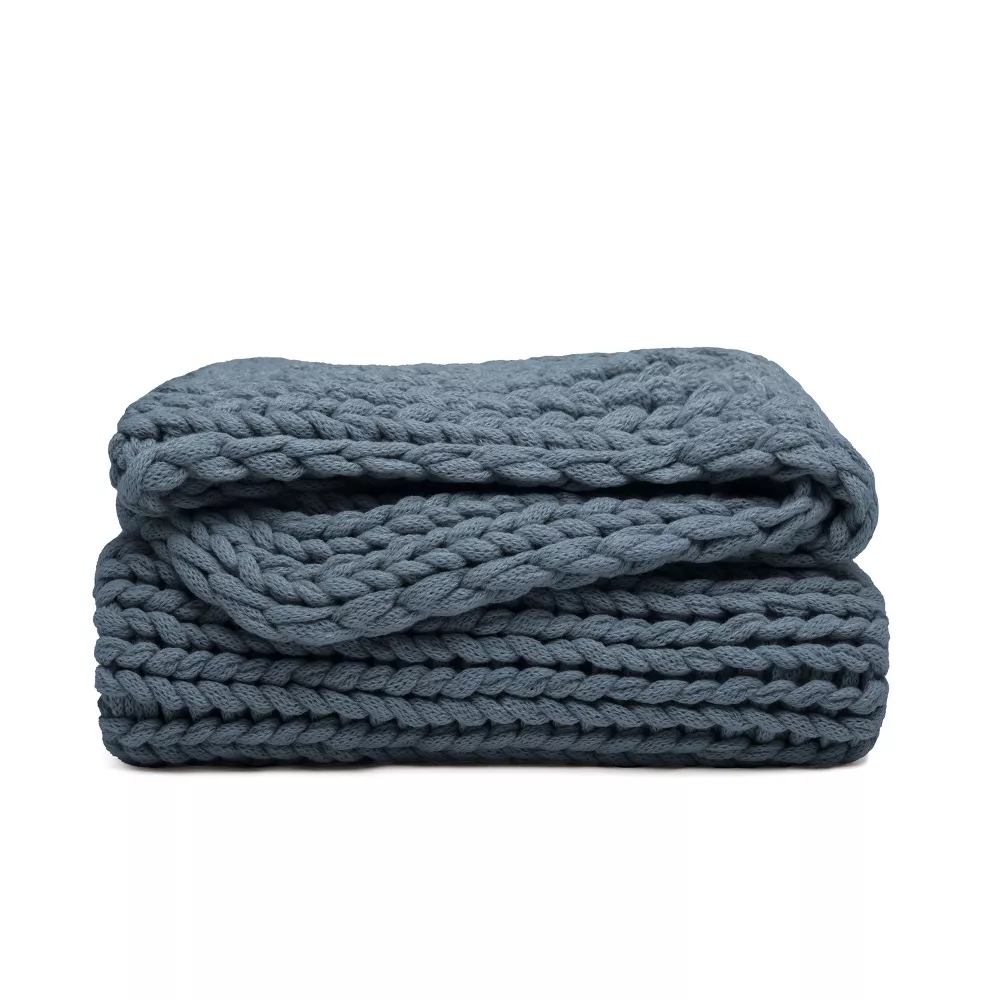
  • Living Room: Add a chunky knit throw, soft linen pillows, and a reclaimed wood coffee table with character.
  • Bedroom: Choose natural fiber bedding, a soft rug underfoot, and warm-toned lighting for restfulness.
  • Dining Room: Layer a vintage table runner with ceramic serveware, and chairs that make guests linger.

Here are some of my top picks for adding texture to the home:

Ultra-soft Throw in Gray
Reni Wool Blend Pillow
Ocean and Rust Oriental Rug
Gray Wall Sconce
Hemstitch Table Runner in Gray

Mix matte, woven, and natural finishes to add both visual depth and tactile comfort. Texture tells your guests, “You’re welcome here.”

Design Tip from Sarah Trop

Faith in the Details: Designing with Purpose and Peace

Making home feel like a hug means making space for what grounds you. For some, that’s faith, prayer, and sacred rest. These moments of meaning can be woven subtly into your surroundings:

  • A quiet corner with a cozy chair, Bible, and candle.
  • A hand-lettered verse near the entryway.
  • A gratitude wall or chalkboard in the kitchen where family members jot down blessings.

For me, having daily reminders of my faith is so important and it keeps me grounded. Try hanging a hand printed verse, like this one, on the wall near a special chair where you or any guests would go to receive some rest.

Psalm 61:2 Hand Printed Verse

Remember that your home shouldn’t just be a backdrop for
pretty decor. It should offer spiritual hospitality and
intentional reminders of what matters most.

Design Tip from Sarah Trop

Remodels That Radiate Warmth

A cozy home doesn’t have to mean a full remodel. It can begin with small, high-impact changes that bring meaning and beauty back into your space.

  • Painted Cabinets: Brighten and warm the kitchen instantly (a FunCycled specialty!).
  • Reclaimed Wood Accents (wall, beams, or mantle: Adds history and texture.
  • Refinished Furniture: Preserves the soul of an old piece while giving it new life.
  • Open Shelving: Display vintage dishes, framed family recipes, or heirloom treasures that tell your story.

We used reclaimed wood for the mantle over the fireplace at our 1805 farmhouse. It gives me plenty of opportunity to display vintage collections and treasured items that share stories with everyone who comes to my home!

Simple Steps to Bring More Warmth Home

Try these small but powerful ways to add cozy, soulful energy to your home today:

  1. Identify one area that feels impersonal and start there.
  2. Add three layers of warmth: one texture (throw or rug), one story-based item (photo, heirloom, verse), and one light source (lamp or candle).
  3. Walk through your home at night and evaluate the lighting. If it feels too harsh, swap bulbs for warmer tones.
  4. Make space for pause: a nook for reflection, prayer, or simply breathing.

A Home That Feels Like You

Your home’s impact doesn’t come from perfection. It comes from the warmth, beauty, intention, and heart woven into every corner.

At FunCycled, we believe great design tells your story and reflects what you value. If you’re ready to create a space that that is peaceful, personal, and perfectly lived-in, we’d love to help you. Schedule an interior design consultation today by clicking the link below:

Thank you all for following along! If you’d like to get this blog in your email once a week, please sign up for our weekly newsletter by adding your email in the little box below my picture at the top of this page. 

If you’ve enjoyed this post, please like FunCycled on  FacebookInstagram and Pinterest if you don’t already. Keep up to date on the newest finds, vote on colors and give your input on our creativity. We share fun tutorials, great before and after, and new design inspirations. 

We offer interior designkitchen cabinet painting, and custom built tablesbarn doors, and repurposed furniture. Thank you for working with us and for taking the time to spread the word about what we do. 

Happy FunCycling Friends,
Sarah ;)

Exquisite Spaces. Sustainable Designs. Brighter Futures.

Note some of the the links provided are affiliate links which means I earn from any qualifying purchases.

Posted on

2026 Paint Colors of the Year Revealed: The Top Hues from Every Major Brand

Each year, the announcement of the 2026 Paint Colors of the Year offers a glimpse into the moods and aesthetics shaping design. For 2026, the leading paint brands have leaned into warmth, natural inspiration, and quiet sophistication, offering tones that encourage both creativity and calm. From earthy neutrals and muted greens to smoky jewel tones and rich reds, this year’s palettes celebrate balance and timeless beauty. Whether you’re planning a full home refresh or simply exploring what’s trending, these standout shades from Sherwin-Williams, Behr, Valspar, Glidden, Dutch Boy, and Benjamin Moore set the stage for inspired spaces in the year ahead.

I thought it might even help us be inspired by the muted earth tones commensurate with the colors of 2026 in one photo. Check out the lovely balance I was able to create this photo below (generated with the help of AI).

Sherwin-Williams 2026 Color of the Year: Universal Khaki

Sherwin-Williams’ Universal Khaki is a timeless, grounding neutral that brings warmth and balance to any space. This adaptable shade sits comfortably between beige and taupe, offering a sense of calm that feels both classic and current.

What Colors to Pair

  • Crisp White
  • Deep Greens
  • Black Accents

These effortless pairings allow it to be a perfect foundation for layered, lived-in interiors. Whether used on walls, cabinetry, or trim, Universal Khaki invites a feeling of understated sophistication and lasting comfort.

Valspar 2026 Color of the Year: Warm Eucalyptus

Warm Eucalyptus by Valspar captures the serenity of nature in a muted sage tone that’s both fresh and familiar. Its soft green hue carries subtle warmth, creating a soothing atmosphere that feels restorative and modern.

What Colors to Pair

  • Warm Whites
  • Terracotta Earth Tones
  • Brushed Brass Accents

Warm Eucalyptus is a versatile color that works well in wide variety of styles, ranging from organic modern spaces to cozy, plant-filled rooms. When paired with these listed colors, everyday rooms are transformed into relaxing, grounded retreats.

Behr 2026 Color of the Year: Hidden Gem

Behr’s Hidden Gem is a smoky jade that delivers both richness and restraint. Its deep, jewel-like undertone makes it an elegant choice for walls, cabinetry, or even ceilings when you want to introduce drama without overpowering a space.

What Colors to Pair

  • Creamy Whites
  • Natural Wood Accents
  • Charcoal Details

Hidden Gem works especially well in transitional and modern interiors, where its cool depth contrasts beautifully with creamy whites, natural wood & charcoal finishes. The result is a look that feels elevated yet approachable.

Glidden 2026 Color of the Year: Warm Mahogany

With Warm Mahogany, Glidden embraces a return to richness and warmth. This luxurious red, inspired by natural wood tones, adds instant depth and sophistication to a room. It’s a perfect choice for accent walls, built-ins, or furniture pieces that call for a touch of bold personality.

What Colors to Pair

  • Natural Beiges & Taupes
  • Clean Whites
  • Muted Greens

When paired with these soft tones, Warm Mahogany creates a welcoming and refined palette that evokes both comfort and confidence.

I recommend using a deep terracotta red like this as your accent color. Allow it’s richness and depth to provide strength to a relaxing and grounded backdrop.

Design Tip from Sarah Trop

Dutch Boy 2026 Color of the Year: Melodious Ivory

Dutch Boy’s Melodious Ivory is a soft, luminous neutral that radiates calm and timeless beauty. With its warm undertones, it creates a serene backdrop that enhances both traditional and contemporary interiors.

What Colors to Pair

  • Soft Silvery Blues
  • Pure Whites
  • Deep Navy Accents

The shade complements natural materials like wood and linen, offering a versatile base for layering textures and colors. When paired with cooler tones, Melodious Ivory brings a quiet & warm elegance to spaces, proving that simplicity can be the most sophisticated statement of all.

Benjamin Moore 2026 Color of the Year: Silhouette

Benjamin Moore’s Silhouette introduces a refined moodiness with its blend of gray, brown, and subtle plum undertones. It’s a deeply sophisticated shade that evokes intimacy and comfort, ideal for dining rooms, bedrooms, or statement-making accent walls.

What Colors to Pair

  • Soft Neutrals
  • Creamy Whites
  • Warm Metallic Finishes

These complemented combinations allow Silhouette to take on a layered, luxurious quality. It’s a color that encourages a sense of depth and character, providing a more dramatic yet timeless aesthetic to a space.

Graham & Brown 2026 Color of the Year: Divine Damson

Graham & Brown’s Divine Damson is a deep, moody plum that brings instant drama and sophistication to any interior. Its rich tone captures the perfect balance between boldness and elegance, making it a standout choice for those who want to create a statement.

How to Use

For a truly immersive look, consider color-drenching a study, reading nook, or auxiliary space: painting the walls, trim, and even the ceiling in this luxurious shade for a cocooning effect. If a full-room commitment feels too daring, try introducing Divine Damson as an accent through furniture or art. Paired with brushed gold or warm metallics, it lends a refined and opulent touch that feels both modern and timeless.

Deep rich colors, like Divine Damson, offer elegance and luxury when used on heirloom piece or vintage accent furniture.

Design Tip from Sarah Trop

PPG 2026 Color of the Year: Secret Safari

Secret Safari from PPG is a vibrant, energizing green that instantly enlivens a space. Playful yet sophisticated, this bold hue brings a modern, artistic spirit to interiors when used thoughtfully.

How to Use

Because of its intensity, Secret Safari shines brightest when employed with restraint. I recommend adding this hue into a room through accents like throw pillows, blankets, or even the matting of framed artwork. The key is small doses. Subtle touches allow the color to energize the space without overwhelming it. Used in this way, Secret Safari becomes a creative thread that adds personality, movement, and just the right amount of daring to contemporary design.

Final Thoughts

Thank you all for following along! If you’d like to get this blog in your email once a week, please sign up for our weekly newsletter by adding your email in the little box below my picture at the top of this page. 

If you’ve enjoyed this post, please like FunCycled on  FacebookInstagram and Pinterest if you don’t already. Keep up to date on the newest finds, vote on colors and give your input on our creativity. We share fun tutorials, great before and after, and new design inspirations. 

We offer interior designkitchen cabinet painting, and custom built tablesbarn doors, and repurposed furniture. Thank you, again, for working with us and for taking the time to spread the word about what we do. 

Happy FunCycling Friends,
Sarah ; )

Exquisite Spaces. Sustainable Designs. Brighter Futures.

Note some of the the links provided are affiliate links, and I may earn from any qualifying purchases.

Posted on

Create Christmas Wonder on Purpose: Cozy Elegance and Meaningful Decorating Ideas for 2025

The holiday season can often feel like a whirlwind, filled with lights, parties, shopping lists, and endless to-dos. But what if this year, your Christmas decorating focused on intentional spaces, cozy moments, and meaningful traditions? By blending elegance, nostalgia, and peace, you can create a holiday home that feels magical on purpose. Let these 5 points guide you into the special season.

1. Start with a Thoughtful Foundation

Before hanging ornaments or draping garlands, consider the spaces you want to highlight. Instead of filling every room without a plan, choose 2 or 3 key areas and begin there. Consider your entryway, mantel, or dining table and decorate thoughtfully.

  • This intentional approach creates visual impact without overwhelming your home.
  • It allows each area to tell its own story.
  • You can rotate seasonal elements, keeping your home fresh throughout the holidays.

Use your tree or a centerpiece as an anchor for cozy nooks or conversation areas. Let them tell a story and shine as more than just as an afterthought in the corner.

Design Tip from Sarah Trop

2. Layer Color and Texture with Purpose

Begin with greens. Pines (any variety) work as a neutral and festive base that will support everything else. No matter the accents you choose, using pines will keep your decor grounded and timeless. Next layer in your colors, patterns, and texture. This year, I am using a mix of greens, dusty blues, and deep burgundy. It is nice play on traditional Christmas colors while pulling in some elements that align with popular motifs for Christmas 2025.

Cozy Layering Ideas

  • Drape velvet ribbons around the tree for an elegant, tactile touch.
  • Mix plaid patterns in pillows, throws, or table linens for a nostalgic vibe.
  • Add metallic accents, like gold or mercury glass to catch the light and create warmth.

These greens work as a perfect base:

Cedar Garland from Birch Lane
Cedar & Pine Wreath from Amazon

You can bring both texture and color with velvet touches like these:

Flocked Velvet Ornaments from Wayfair
Luxe Pre-Tied Velvet Ribbons from Balsam Hill

Play with Pattern

Clustering a group of 3 pillows is a great way to bring some fun to the holiday season.

Keta Plaid Cotton Lumbar Pillow from Birch Lane
Green Plaid Ralph Lauren Collection from Birch Lane
Blue Chinoiserie Christmas Tree Pillow from Etsy

Add Some Glow

Lights are not the only way to add reflective touches to your your Christmas season. Glass trees in soft colors help add illumination throughout the room. Here are a couple of options:

Amaryllis Glass Tree with Glitter from Birch Lane
Blue Mercury Glass Trees from Grandin Road

This approach balances trend-forward touches with timeless holiday style, giving your home both energy and calm.

3. Create Corners of Peace and Reflection

Celebrating the holiday season is not solely about curating the right decor to set your mood. Moments of pause, reflection, and gratitude are also part of this special season. To embrace this, consider carving out a small sacred space for reflection, prayer, or quiet celebration.

Here are some ideas to consider:

  • A candlelit nativity or simple holiday vignette.
  • A gratitude journal or memory book for family reflections.
  • A quiet nook with a soft throw and a favorite holiday book.

I love the simple yet elegant style of this chair

Madeline Slate Blue Velvet Chair

A soft and inviting chair is just the beginning to creating peace. Also, pair it with a seasonal candle and journal or devotional to warm your soul. I have linked some special picks below:

White Pine and Red Currant Candle by The Thoughtful Gardner
Prayer Journal for Women

A small corner of peace can turn the rush of the season into
moments of reflection, peace and wonder.

Design tip from sarah trop

4. Infuse Nostalgia and Personal Touches

2025 trends celebrate nostalgia and heirloom-style pieces. Vintage ornaments, family keepsakes, and timeless decorations create depth and warmth. Mix these with modern touches, like oversized bows or playful figurines, for a holiday that feels both classic and current.

These vintage inspired ornaments mix shapes and styles reminiscent of former years while showcasing a more modern take on traditional colors and patterns.

5. Enjoy the Season on Purpose

Intentional decorating isn’t ever about perfection. It’s about creating a home that invites comfort, joy, and connection. By focusing on a few thoughtful spaces, layering color and texture, and leaving room for peace, you can create a Christmas that’s as meaningful as it is beautiful.

Need Some Help Putting Your Ideas Together? Schedule an Appointment with Us!

We are here to help. Reach out to our team at FunCycled by contacting us today, or go ahead and schedule your 1 Hour Interior Design Appointment today. It would be a pleasure making your house feel just like your home!

Schedule a 1 Hour Design Consult

Thank you all for following along! If you’d like to get this blog in your email once a week, please sign up for our weekly newsletter by adding your email in the little box below my picture. 

If you’ve enjoyed this post, please like FunCycled on  FacebookInstagram and Pinterest if you don’t already. Keep up to date on the newest finds, vote on colors and give your input on our creativity. We share fun tutorials, great before and after, and new design inspirations. 

We offer interior designkitchen cabinet painting, and custom built tablesbarn doors, and repurposed furniture. Thank you, again, for working with us and for taking the time to spread the word about what we do. 

Happy FunCycling Friends,
Sarah ;)

Note some of the the links provided are affiliate links, and I may earn from any qualifying purchases.

Posted on

What it’s like attending Anastasia Casey and Lindsey Borchard’s Design Camp

Collaboration is absolutely key to growth. No matter what industry you are in or what your occupation, so much value is gained when we find opportunities to grow and learn alongside others who share a common mission and purpose with us! As an interior designer, being able to do this with other designers is HUGE! I would highly recommend attending Design Camp: A Strategic Business Retreat for Interior Designers.

What Is Design Camp? A Strategic Retreat for Interior Designers

Founded by Anastasia Casey and Lindsey Borchard, Design Camp is a thoughtfully designed retreat that blends design inspiration, creative growth, and strategic business development. The program focuses on helping interior designers scale their businesses while expanding their skills and perspective. Anastasia and Lindsey do a fantastic job of creating a professional yet warm and welcoming atmosphere, setting the stage for an engaging and meaningful experience throughout the retreat.

Conference Hosts at Design Camp Austin, TX. Photo credit Design Camp

Design Camp inspires, educates, and helps designers
grow their business.

sarah trop, ceo funcycled
Small Group Time at Design Camp. Photo Credit to Design Camp.

What to Expect at Design Camp

Although this may look different every year, the goal remains the same – to offer a place for growth, learning, support, and inspiration. Similar to the structure of a conference, Design Camp provides Key Note speakers, helpful Q&A sessions, and behind the scenes experiences that impart knowledge to broaden and deepen the scope of the interior designer.

Every day, we spent time in small groups focused on collaboration and discussion. Each group, typically around 10 people, was divided by years of experience. Being part of the Advanced group allowed me to connect with designers who have faced similar challenges and milestones, providing a space to exchange practical insights, learn from each other’s experiences, and gain ideas that I could immediately apply to my own business.

Collaboration & Sharing Experiences. Photo credit to Design Camp.

The time in our small groups allowed me to exchange insights and learn from designers who have faced similar challenges.

Sarah trop, CEO FunCycled

Every evening, we had dinner together as designers. I loved the way they structured this. Every night you were assigned to a different table of people which was another opportunity to build connections with new people. It was also during dinner that some of the Key Note speakers and the hosts would walk around and engage with us. I was able to talk with so many and I found it both grounding and insightful.

Dining & view of the city at Design Camp – Austin, TX. Photo credit to Design Camp.

My Experience at Design Camp: Real Moments for Interior Designers

Helpful Q & A’s geared at the nuts and bolts of owing a design business. Our topics included:

  • Systems
  • Products and Procurement
  • AI
  • Web Design
  • Software

Insights from Key Note Speakers who have foraged territory for interior designers.

Hearing from seasoned designers and industry experts provides fresh ideas, practical strategies, and new ways of thinking about challenges we face in our own businesses. These sessions not only spark inspiration but also give actionable insights that attendees can apply immediately, making them a cornerstone of the conference experience.

Thank you, Marco Zamora, for being so real and helping bring a fun, storytelling perspective to being a designer.

And, I was beyond happy to hear from Jean Stoffer and Grace Start of Jean Stoffer Design. Their ability to share directly from the heart speaks right to me!

Grace and Jean Stoffer Key Note Designers. Photo credit to Design Camp.

Behind the Scenes – Creative Spaces that Support Growth & Knowledge

We had several opportunities to enjoy creative spaces from a different vantage point. How valuable to see from another perspective! We were able to tour these spaces and glean knowledge that could help our businesses grow and scale up.

When designers collaborate, creativity multiplies. 

Highlights, Takeaways, and Practical Tips for Attending Design Camp

1. Consider the Investment
Design Camp is a significant investment, so weigh the cost carefully. Many attendees, including myself, find the ROI in knowledge, connections, and business strategies well worth it.

2. Stay on Premises if Possible
Your ticket does not include accommodations. While I stayed at an Airbnb, traveling back and forth added logistical challenges. Staying on-site provides convenience and allows you to fully immerse yourself in the experience. If you need to save the money like I did, you can absolutely make it work staying at an airbnb.

3. Take Advantage of the Stunning Accommodations
The conference accommodations are designed to support both comfort and creativity—make the most of them to rest, reflect, and connect with other attendees.

4. Extend Your Travel Plans
If possible, add an extra day after the camp. This gives you time to debrief, reflect on key takeaways, and plan how to implement what you’ve learned. I didn’t do this and wished I had!

Design Camp 2025. Photo credit Design Camp.

5. Focus on 2–3 Actionable Takeaways
You can’t implement everything at once. Identify the top 2–3 strategies that will have the biggest impact on your business in the next 6–12 months.

6. Create a Basic Implementation Plan
Once you’ve identified your key takeaways, scaffold a simple plan with steps and a timeline to ensure you can act on them effectively.

7. Balance Big-Picture Thinking with Practical Steps
Use the camp to dream big, but ground your takeaways in actionable steps. This balance ensures long-term growth without feeling overwhelmed.

Final Thoughts

Attending Design Camp reminded me how important it is to keep learning and refining the craft of design. Growth doesn’t just happen. It’s cultivated through connection, curiosity, and a willingness to keep improving. My goal is to bring that same spirit of growth into every client project, helping you create a home that feels personal, intentional, and peaceful. If you’re ready to take the first step toward designing a space that truly reflects you, consider booking a one-hour consultation. It’s a great way to clarify your vision, outline your next steps, and start your design journey with confidence.

Thank you all for following along! If you’d like to get this blog in your email once a week, please sign up for our weekly newsletter by adding your email in the little box below my picture. 

If you’ve enjoyed this post, please like FunCycled on  FacebookInstagram and Pinterest if you don’t already. Keep up to date on the newest finds, vote on colors and give your input on our creativity. We share fun tutorials, great before and after, and new design inspirations. 

We offer interior designkitchen cabinet painting, and custom built tablesbarn doors, and repurposed furniture. Thank you, again, for working with us and for taking the time to spread the word about what we do. 

Happy FunCycling Friends,
Sarah ; )

Posted on

Timeless Interiors: How to Integrate 1990s Design Elements with Modern Elegance

The 1990s have made a confident return across several areas of design, including our interiors. While the decade may bring to mind oak cabinetry, faux ivy draped across everything, and shiny brass fixtures, today’s interpretation is anything but dated. Instead, designers are taking cues from the warmth, comfort, and personality of 1990s homes and reimagining them through a modern lens.

As someone who values peace-filled living through intentional design, I find that weaving subtle vintage references into a space can make it feel grounded, familiar, and deeply personal. The key is knowing what to bring back and how to do it with restraint.

Choosing Your Nostalgic Moments Wisely

Not every element from the 1990s deserves a comeback, but the right ones can tell a meaningful story. The goal isn’t to recreate a decade; it’s to capture its essence through a mix of comfort, personality, and lived-in ease.

Start by identifying the details that resonate with you. Maybe it’s a plaid textile that reminds you of your childhood home or the warmth of honey-toned wood that instantly feels inviting. Choose one or two nostalgic “moments” per space and let them shine without overwhelming the room.

In one of our projects, we revived a vintage furniture piece with a deep mustard yellow finish, a color that immediately nods to the 90’s era. Used sparingly, it adds charm and warmth. Used everywhere, it can quickly overtake a room and lose its appeal.

In this project, the mustard yellow furniture piece brings 1990s nostalgia into a room in small, intentional doses that is balanced
with neutral accents and simple styling.

Throwback Colors with Staying Power

Color is one of the most powerful ways to embrace the 1990s aesthetic while keeping it fresh. Some shades from that decade feel surprisingly timeless when used with intention and balance.

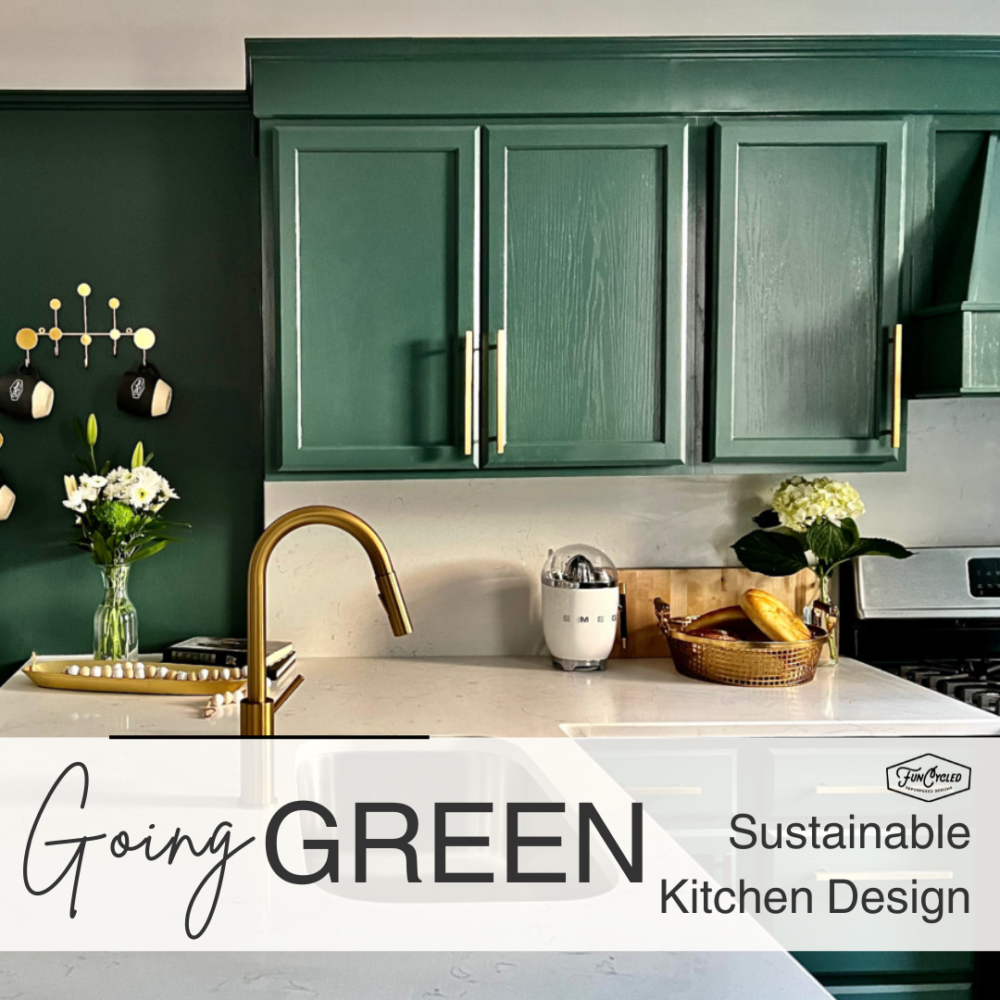
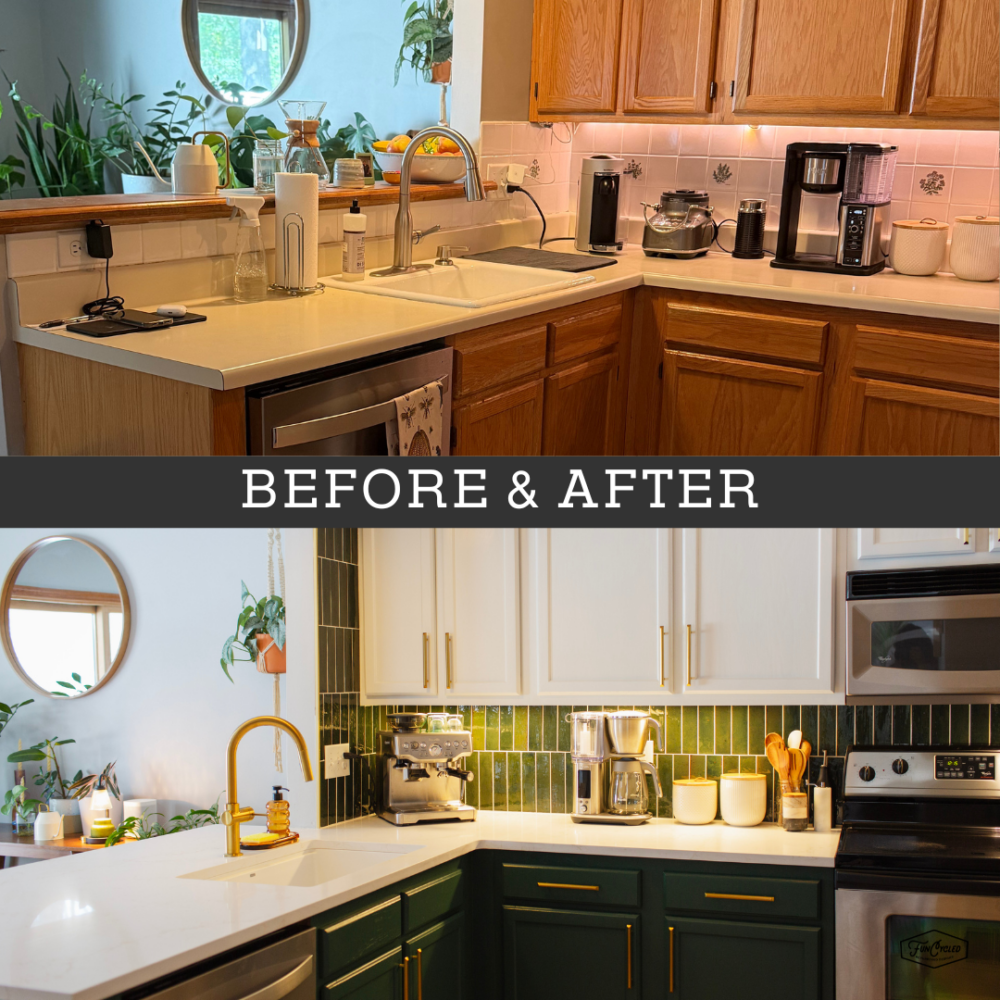
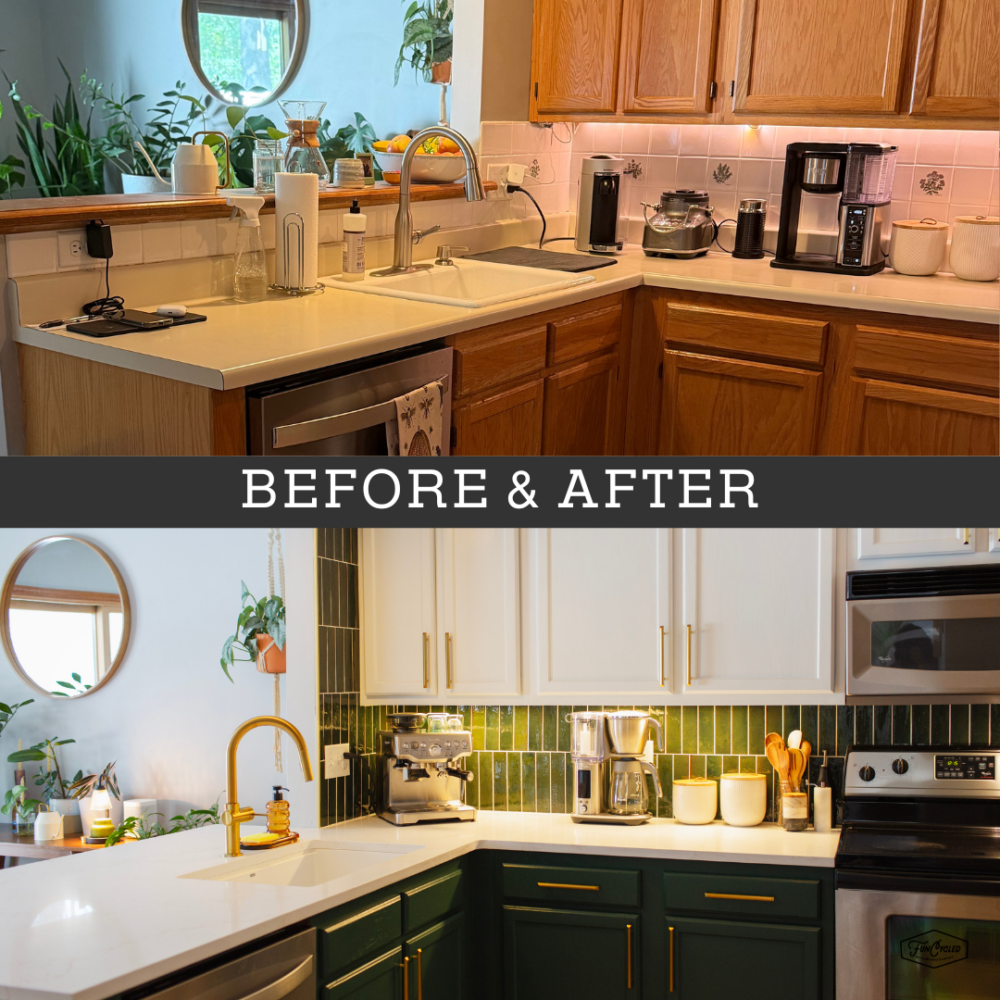
One of my favorites is deep green, particularly rich, moody tones like hunter or forest. In kitchens, this color has incredible staying power. We’ve used it a number of times on cabinetry and even walls, pairing it with brushed gold or antique brass hardware for a sophisticated update. These softer metallic finishes offer the warmth of 1990s brass without the high-shine glare that can feel dated.

This is a modern twist on a 1990s classic: deep green cabinetry paired with brushed gold hardware for a sophisticated, enduring look.

For a living room or office, embrace a drenched look. Painting the walls, trim, and even built-ins in the same deep hue creates depth and provides a comforting effect that feels both nostalgic and refined. Layer in classic plaid accents, soft wood tones, and tailored furnishings to echo the 1990s spirit while keeping the space elegant and current.

If you prefer a lighter touch, peachy hues, terracottas, or dusty mauves (colors all reminiscent of the 1990’s) are beautiful options for accent furniture, textiles, or wall decor. They recall the warmth of the past but pair seamlessly with today’s clean lines and natural textures.

The peachy-pink color allows the details of this dresser to shine through and adds some 90’s charm while the darker hardware
helps keeps it grounded.

Color Blocking: A Fresh Take on a 1990s Favorite

Few design trends define the 1990s quite like color blocking. Back then, large blocks of bold, often primary hues dominated both fashion and interiors; think cobalt blue, red, and magenta arranged in sharp, geometric forms. While it made a statement, it could also easily overwhelm.

Today’s approach is more refined. To bring this retro technique into modern spaces, focus on contrast and restraint. Choose a high-contrast palette using muted tones and one saturated accent color.

The combination of dark gray, crisp whites, and rich rust in color block style gives a nod to the 90’s while relaying sophistication.

Use color blocking to highlight architectural features or to create subtle visual zones within an open layout. Painted wall sections, contrasting cabinetry, or even upholstery pairings can all echo this trend beautifully without tipping into “modern art overload.”

Style Choices That Feel Fresh, Not Dated

To truly modernize 1990s design, think in terms of contrast and balance. Let vintage-inspired details coexist with contemporary shapes and finishes. Here are some tips:

  • Pair a classic pattern, such as plaid, floral, or check (all of which donned homes of the 90’s) with furniture that has simple silhouettes and clean lines.
  • When mixing metals, keep the finish subdued rather than shiny. Brushed gold, antique brass, and matte black complement nostalgic tones without tipping into retro overload.
  • Embrace warm texture: woven baskets, nubby upholstery, and natural wood grain bring that cozy, collected quality the 90s did so well.

A Nostalgic Touch that Stands the Test of Time

When done thoughtfully, the return of 1990s design feels less like a trend and more like a rediscovery of warmth and authenticity. It’s about celebrating what made those homes inviting while translating them for a modern world.

By balancing nostalgic elements with timeless materials and clean lines, you create a home that feels rooted in memory yet fully present. After all, when design carries a touch of the familiar, it becomes more than just beautiful. It becomes deeply personal.

Final Thoughts

Thank you all for following along! If you’d like to get this blog in your email once a week, please sign up for our weekly newsletter by adding your email in the little box below my picture at the top of this page. 

If you’ve enjoyed this post, please like FunCycled on  FacebookInstagram and Pinterest if you don’t already. Keep up to date on the newest finds, vote on colors and give your input on our creativity. We share fun tutorials, great before and after, and new design inspirations. 

We offer interior designkitchen cabinet painting, and custom built tablesbarn doors, and repurposed furniture. Thank you for working with us and for taking the time to spread the word about what we do. 

Happy FunCycling Friends,
Sarah ;)

Posted on

Style Meets Purpose: Thanksgiving Decor & Design Tips for a Meaningful Gathering

I like to think of Thanksgiving as more than a holiday. Thanksgiving is the perfect opportunity to create a home where style and purpose meet. Thoughtful design choices can make your gathering feel intentional, calm, and memorable. Here are practical tips to help you blend beautiful décor with meaningful moments.

Start with Purpose Before Decorating

Before pulling out your seasonal decorations, take a moment to walk through your space with fresh eyes. As you do, consider some questions. Where do your guests naturally gather? Where do you feel rushed or disorganized? Taking time to notice these areas can help you plan furniture placement, serving zones, and traffic flow so your home supports connection rather than chaos.

Actionable Tips to Get You Started:

  • Map your gathering flow: mark where people enter, mingle, and sit.
  • Identify “bottlenecks” where movement slows, like narrow kitchen pathways or tight corners.
  • Decide which areas need more seating, surface space, or lighting to keep your Thanksgiving stress-free.

Create a Welcoming Entryway

Your entryway sets the tone for your Thanksgiving gathering, and a few intentional touches can make guests feel both welcomed and at ease, right the moment they walk in.

Styling Tips:

  • Add some seasonal items or fresh greenery for instant warmth.
  • Include touches that tell the story of who you are and help spark conversation.
  • Consider a bench or basket for shoes and coats to keep clutter contained.

Since my entrance doesn’t include a closet, I have a set of wall hooks ready and available for guests coats, bags, or scarves. Vintage brass adds style while the hefty design keeps things functional.

Purpose Tips:

  • Arrange lighting so your entry feels bright but cozy.
  • Keep pathways clear for smooth traffic flow.
  • Introduce a subtle seasonal scent, like cinnamon or pine, to engage multiple senses.

Thanksgiving Decor for Your Table

The table is where your design choices meet your gathering’s emotional core. Layering textures, colors, and meaningful details can elevate the experience of the day without feeling overdone.

Styling Tips:

  • Use neutral linens as a base, then add pops of seasonal color with napkins, runners, or foliage.
  • Incorporate simple centerpieces like candles, small pumpkins, or a low floral arrangement.
  • Try mixing textures: a blend of wood, metal, and soft fabrics will add depth and interest.

These are the elements I used to get this layered look for my table this year. I have linked everything up, so you can bring these inspirations into your own holiday gathering!

Purpose Tips:

  • Include place cards or small gratitude prompts to spark conversation.
  • Keep serving areas organized and accessible to reduce stress during the meal.
  • Think about sightlines: guests should feel connected, not blocked by heavy or overwhelming arrangements.

For my table this year, I like to use an eclectic mix of vintage jugs or vases with feathery grasses. Next to some petite pumpkins the table is festive, inviting, and allows room for open conversation.

Think of your table as a blank slate to creating the perfect backdrop for gathering and making meaningful memories.

Pro tip from the Funcycled Design team

Wrap-Up: Bringing Style and Purpose Together

Gathering for Thanksgiving is an invitation to slow down, appreciate your space, and create an experience that honors both your guests and yourself. Styling with purpose and taking a thoughtful approach are key to ensuring the day is a success and are actually components to the whole celebration.

Remember, meaningful design doesn’t have to be complicated. Small and intentional choices, guided by flow and grounded in making connection, are what ensure a gathering to be both beautiful and filled with purpose.

Added Bonus: Gratefulness Prompts for Your Gathering

Thank you all for following along. As a special bonus, you can download these Gratefulness Prompts to add a special element to your Thanksgiving table when you sign up for our newsletter today! Just fill out the form below, and we’ll get those over to you!

Subscribe

* indicates required

If you’ve enjoyed this post, please like FunCycled on  FacebookInstagram and Pinterest if you don’t already. Keep up to date on the newest finds, vote on colors and give your input on our creativity. We share fun tutorials, great before and after, and new design inspirations. 

We offer interior designkitchen cabinet painting, and custom built tablesbarn doors, and repurposed furniture. Thank you, again, for working with us and for taking the time to spread the word about what we do. 

Happy FunCycling Friends,
Sarah ; )

Exquisite Spaces. Sustainable Designs. Brighter Futures.

Note some of the the links provided are affiliate links which means I earn from any qualifying purchases.

Posted on 2 Comments

Fostering Peace and Healing in Your Home through Trauma-Informed Design

Fostering peace and healing in your home starts with understanding how the spaces around you affect your mind and body. Perhaps you have walked into a room and felt an almost instantaneous sense of calm? Or, maybe to the contrary, you have felt a tension you couldn’t quite explain? Studies show that spaces filled with natural light, soothing colors, and organic textures can lower stress hormones, improve focus, and even restore cognitive function. Beautiful spaces, as it turns out, are more than just well designed interiors created to look pretty, they can actually help us heal.

This is the heart of trauma-informed design. According to the Trauma-Informed Design Society, it’s “an approach to creating physical spaces that integrate principles of trauma-informed care (safety, trust, choice, empowerment, and community) into design decisions, with the goal of promoting well-being, dignity, and healing.” Simply put, trauma-informed design recognizes that spaces can either trigger stress and fear or foster safety, calm, and restoration.

In practical terms, this means the design choices we make, from lighting and layout to materials and colors, can influence our nervous system, help regulate emotions, and create environments where people feel truly seen and supported. Whether it’s a home, a workplace, or a community space, trauma-informed design is about more than aesthetics; it’s about creating a sanctuary for the mind and soul.

What Is Trauma-Informed Design?

At its core, trauma-informed design is about creating spaces that acknowledge how past experiences affect how we interact with our environment. It emphasizes safety, emotional regulation, and dignity. While the concept originated in healthcare and social service settings, it’s increasingly being applied to homes, workplaces, and community spaces.

Your home is more than a backdrop for daily life; it’s a place that can actively support your mental and emotional well-being. Neuroscience shows that spaces filled with order, natural light, and soothing textures help calm the amygdala, which is the part of the brain that detects threats. Plus, carefully designed homes with these principles in mind can reduce cortisol, the body’s primary stress hormone. Conversely, cluttered or overstimulating environments can leave your nervous system on high alert, making it harder to relax, focus, or sleep.

Why Your Home Environment Matters

The way we design our spaces directly impacts how we feel. Studies show that open layouts, soft lighting, and natural materials activate the parasympathetic nervous system, responsible for rest and repair, signaling safety to the brain and lowering anxiety.

  • Lighting: Soft, warm lighting helps your body wind down, supports circadian rhythms, and can even boost serotonin levels for improved mood.
  • Order: Cluttered spaces are linked to increased stress and reduced working memory. Even if we don’t consciously notice it, our brains do.
  • Texture & Material: Wood, stone, and other natural materials have been shown to reduce stress and improve focus.

“The goal of design is not perfection. It is peace, and peace creates space; for your family, for healing, and for the voice of God.”

Sarah Trop

Core Principles of Trauma-Informed Design

  1. Safety & Security
    Spaces should feel predictable and approachable. Clear sightlines, uncluttered surfaces, and thoughtful layouts help create a sense of safety.
  2. Choice & Control
    Offer flexibility where possible. Incorporate adjustable lighting, seating options, or spaces that allow privacy. Having control over one’s environment fosters empowerment.
  3. Connection & Belonging
    Design spaces that encourage community and togetherness. Communal areas and intentional furniture arrangement help people feel included and supported.
  4. Calm & Emotional Regulation
    Soft textures, muted or natural color palettes, and biophilic elements can help the nervous system regulate and support emotional balance.

Bringing Nature Indoors: Biophilic Design

Biophilic design is a natural complement to trauma-informed principles. It incorporates elements of nature (light, plants, organic shapes, water, and earth-inspired colors) into our everyday spaces.

Research shows that even brief exposure to natural elements can:

  • Lower blood pressure and heart rate
  • Reduce anxiety and depression
  • Improve focus, memory, and cognitive function

“At its heart, it’s about recognizing that humans thrive when we’re surrounded by reminders of the natural world. Instead of sterile, boxy rooms, you get spaces that feel alive, restorative, and grounding.”

Sarah Trop

The foundation of Biophilic Design strives to connect people with nature. From a design perspective, these principles translate to small but intentional decisions: warm wood tones, furniture with soft edges or curved design for comfort, and open shelving to create breathing room. These are all strategies I applied in my Schenectady Airbnb project and have shared some pictures below.

By pulling the sofa away from the windows and then framing them in soft drapery, the space is focused on the outside and natural light while still creating a softness within the room.

Light and openness are key to this kitchen dining area. The spaces stays grounded and anchored with the natural wood table but maintains a clean flow and brightness by keeping the windows mostly exposed.

Small, Practical Ways to Foster Peace at Home

Cultivating peace inside the home is actually an important goal for everyone, no matter the journey you have been on. And what’s great is that you don’t need a full renovation to achieve this or begin incorporating the principles of trauma informed design into your home. Simple changes can have a significant impact:

  • Declutter and organize to reduce visual stress.
  • Layer your lighting: combine ambient, task, and accent lighting.
  • Introduce nature: add plants, natural textures, or water elements.
  • Use calming colors and textures: soft neutrals and cool blues and greens, warm woods, and gentle fabrics and patterns.
  • Create intentional corners: a reading nook, meditation space, or cozy chair for reflection.

Even small interventions help your home become a sanctuary where you and your loved ones can feel grounded and supported. This kitchen is a great example of how using soft and soothing colors in a strategic way that allows the space to feel calm. Plus the open shelving and soft lighting support a relaxed environment.

Using a circular table helps create an area the promotes community as well as safety for those who gather at it.

Creating a Sanctuary for Mind and Soul

A trauma-informed home is emotionally generous. It becomes a quiet companion, offering clarity, rest, and comfort amid the chaos of daily life. By thoughtfully incorporating light, color, layout, and natural elements, you can foster peace and healing for yourself and anyone who enters your home.

As I like to remind readers: even small adjustments can ripple into a profound sense of calm. Begin by noticing how your spaces make you feel, then make intentional changes to invite serenity, restoration, and joy into your everyday life.

“Design does not need to be dramatic to be therapeutic. Sometimes, it is the quietest choices that bring the most healing.”

Sarah Trop

Final Thoughts

Thank you all for following along and taking the time to learn more about trauma-informed design. This topic is so important, and I am grateful to build awareness to such an important mission. What an honor to have bring healing and restoration to those in need through design!

If you’d like to get this blog in your email once a week, please sign up for our weekly newsletter by adding your email in the little box below my picture at the top of this page. 

If you’ve enjoyed this post, please like FunCycled on  FacebookInstagram and Pinterest if you don’t already. Keep up to date on the newest finds, vote on colors and give your input on our creativity. We share fun tutorials, great before and after, and new design inspirations. 

We offer interior designkitchen cabinet painting, and custom built tablesbarn doors, and repurposed furniture. Thank you, again, for working with us and for taking the time to spread the word about what we do. 

Happy FunCycling Friends,
Sarah ; )

Exquisite Spaces. Sustainable Designs. Brighter Futures.

Note some of the the links provided are affiliate links which means I earn from any qualifying purchases.

Posted on

Shop My Home: New Additions & Product Links Inside the Repurposed Idea House 2025

Welcome back to the Repurposed Idea House! My 1800’s farmhouse has been fully updated with thoughtful details, and I’m always adding fresh touches that bring new life to each room. After hosting tours of my home, I wanted to give you a closer look at the newest pieces I’ve styled throughout the space. Think of this as a virtual tour you can revisit anytime, filled with updated farmhouse decorating ideas and links so you can easily shop the look farmhouse style for your own home.

Entryway

One of my favorite things is to share my favorite vintage finds with our guests as soon as they walk into our home. In our Repurposed Idea House, we have the pleasure of greeting friends and family with treasured finds which tell of the cherished moments we have had as a family!

I love greeting guests with vintage finds and custom artwork as soon as they walk in! 

Family Room

If you walk through the doorway that sits just to the right of the mustard yellow vanity in our entryway, you will enter the family room and adjoining dining room area.

Comfy and no fuss - that’s the kind of family room I love!

Dining Room

One thing we needed to consider with our dining area is that the space was very open but because of the layout and placement of the doors, we needed a long and narrow table. So, my husband, John, built this custom table to fit the room exactly. We often think of creating built -ins for our homes, but making custom fitting furniture items is not a usual go-to when we are planning out the room, but it can make such a huge difference!

I love that this room is so open so it sparks conversation between kids and adults! 

Living Room

As can often be the case, the flow of the room can be interrupted by the need to create a walkway or to account for an area for a pass through. I have a few of these areas in my home, but I think the most frequently passed through area in our home is walking through the living room to the kitchen.

Elevated design and a couch to last for years is a must in my formal living room space. 

Kitchen

Like so many of us, my kitchen is a major hub for my home. Because of this, it is so important that I created a space with good flow and could accommodate the daily needs of my family as well as times for hosting guests. The kitchen serves so many practical needs, but I also wanted to create a space that was filled with warmth and style.

Dark colors in a bright kitchen brings such warmth and beauty to the room!

Well, there you have it…the first floor of our beloved Repurposed Idea House!

I hope you find some inspiration for your home, and if you don’t know where to begin, I would love to help you! Feel free to set up a 1 Hour Design Appointment with me, and we can walk through some design challenges and questions together. You can select a Virtual or In Person appointment.

Thank you all for following along! If you’d like to get this blog in your email once a week, please sign up for our weekly newsletter by adding your email in the little box below my picture. 

If you’ve enjoyed this post, please like FunCycled on  FacebookInstagram and Pinterest if you don’t already. Keep up to date on the newest finds, vote on colors and give your input on our creativity. We share fun tutorials, great before and after, and new design inspirations. 

We offer interior designkitchen cabinet painting, and custom built tablesbarn doors, and repurposed furniture. Thank you, again, for working with us and for taking the time to spread the word about what we do. 

Happy FunCycling Friends,
Sarah ;)

Note some of the the links provided are affiliate links, and as an Amazon Associate, I earn from any qualifying purchases.