The 1990s have made a confident return across several areas of design, including our interiors. While the decade may bring to mind oak cabinetry, faux ivy draped across everything, and shiny brass fixtures, today’s interpretation is anything but dated. Instead, designers are taking cues from the warmth, comfort, and personality of 1990s homes and reimagining them through a modern lens.
As someone who values peace-filled living through intentional design, I find that weaving subtle vintage references into a space can make it feel grounded, familiar, and deeply personal. The key is knowing what to bring back and how to do it with restraint.
Choosing Your Nostalgic Moments Wisely
Not every element from the 1990s deserves a comeback, but the right ones can tell a meaningful story. The goal isn’t to recreate a decade; it’s to capture its essence through a mix of comfort, personality, and lived-in ease.
Start by identifying the details that resonate with you. Maybe it’s a plaid textile that reminds you of your childhood home or the warmth of honey-toned wood that instantly feels inviting. Choose one or two nostalgic “moments” per space and let them shine without overwhelming the room.
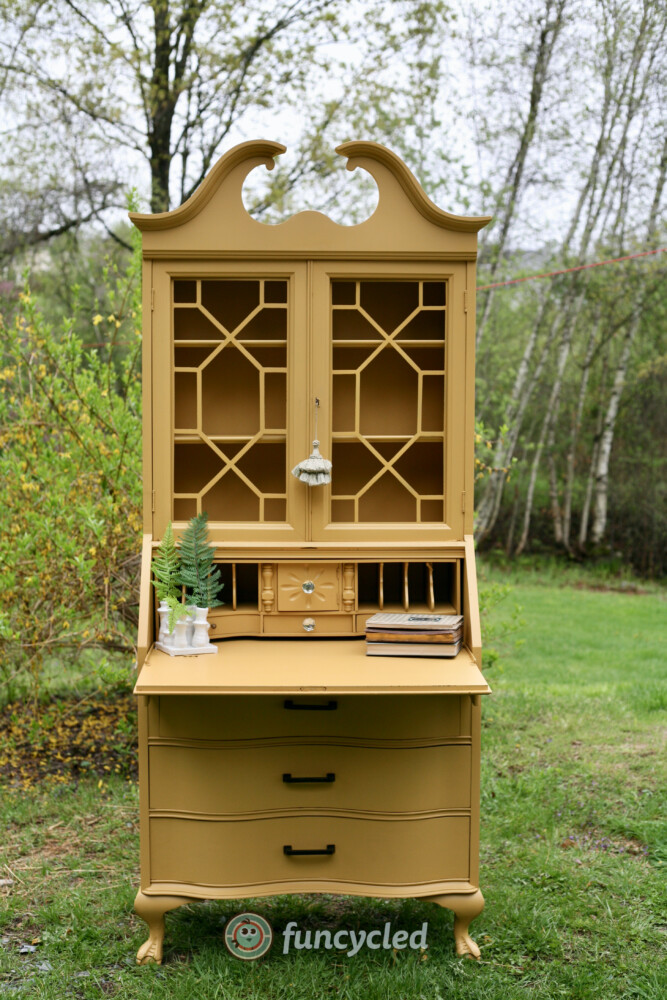
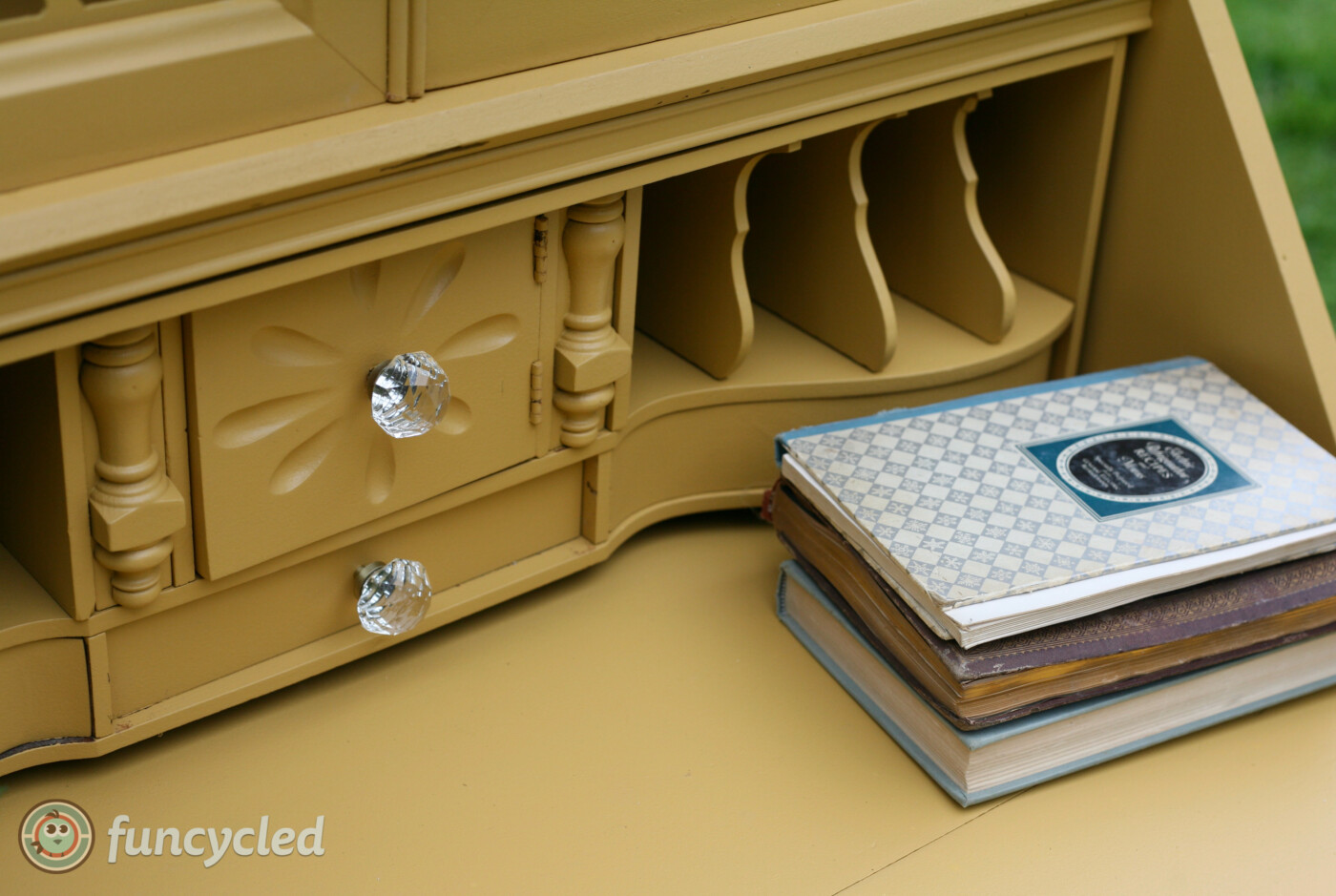
In one of our projects, we revived a vintage furniture piece with a deep mustard yellow finish, a color that immediately nods to the 90’s era. Used sparingly, it adds charm and warmth. Used everywhere, it can quickly overtake a room and lose its appeal.
In this project, the mustard yellow furniture piece brings 1990s nostalgia into a room in small, intentional doses that is balanced
with neutral accents and simple styling.
Throwback Colors with Staying Power
Color is one of the most powerful ways to embrace the 1990s aesthetic while keeping it fresh. Some shades from that decade feel surprisingly timeless when used with intention and balance.
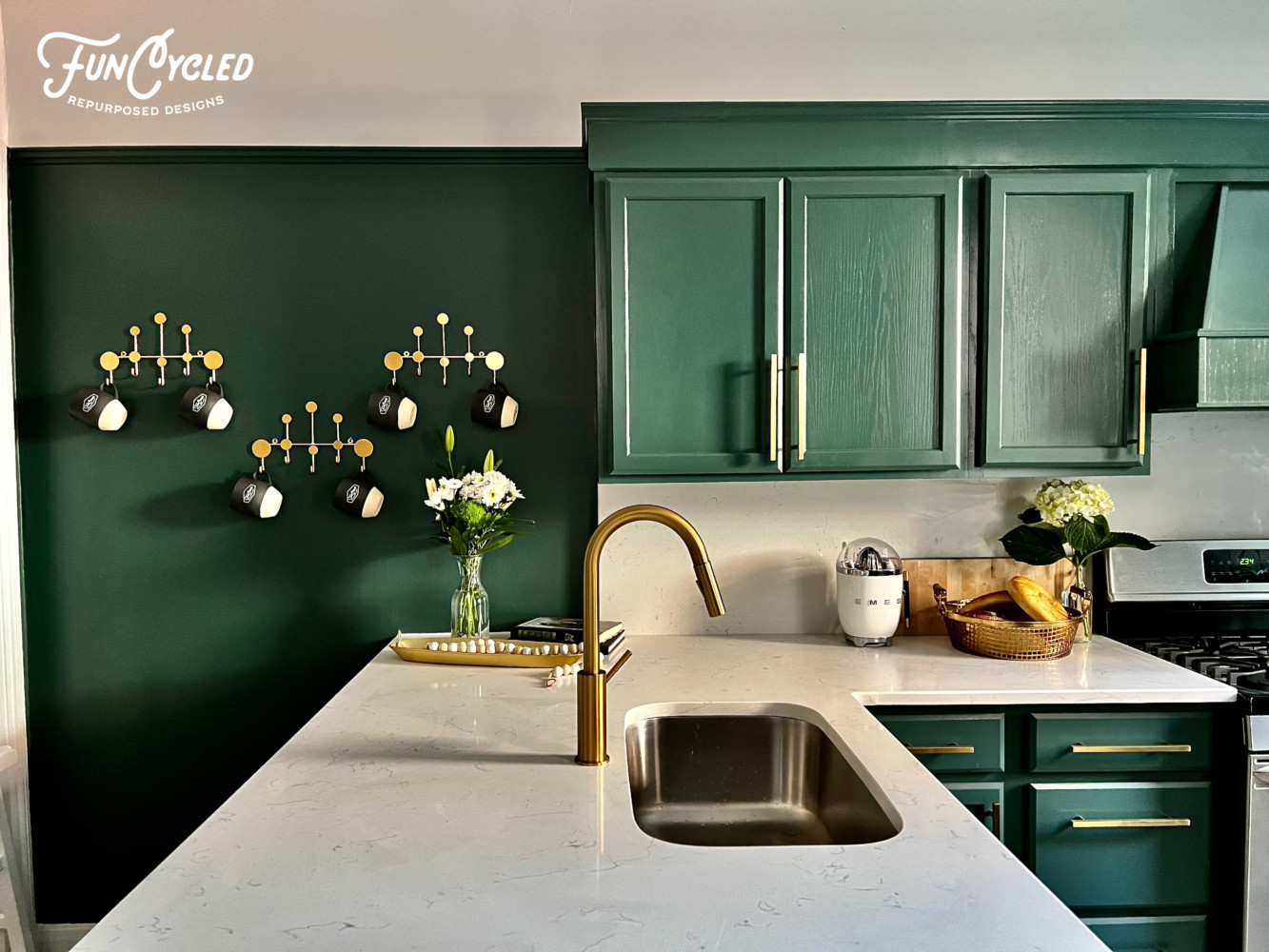
One of my favorites is deep green, particularly rich, moody tones like hunter or forest. In kitchens, this color has incredible staying power. We’ve used it a number of times on cabinetry and even walls, pairing it with brushed gold or antique brass hardware for a sophisticated update. These softer metallic finishes offer the warmth of 1990s brass without the high-shine glare that can feel dated.
This is a modern twist on a 1990s classic: deep green cabinetry paired with brushed gold hardware for a sophisticated, enduring look.
For a living room or office, embrace a drenched look. Painting the walls, trim, and even built-ins in the same deep hue creates depth and provides a comforting effect that feels both nostalgic and refined. Layer in classic plaid accents, soft wood tones, and tailored furnishings to echo the 1990s spirit while keeping the space elegant and current.
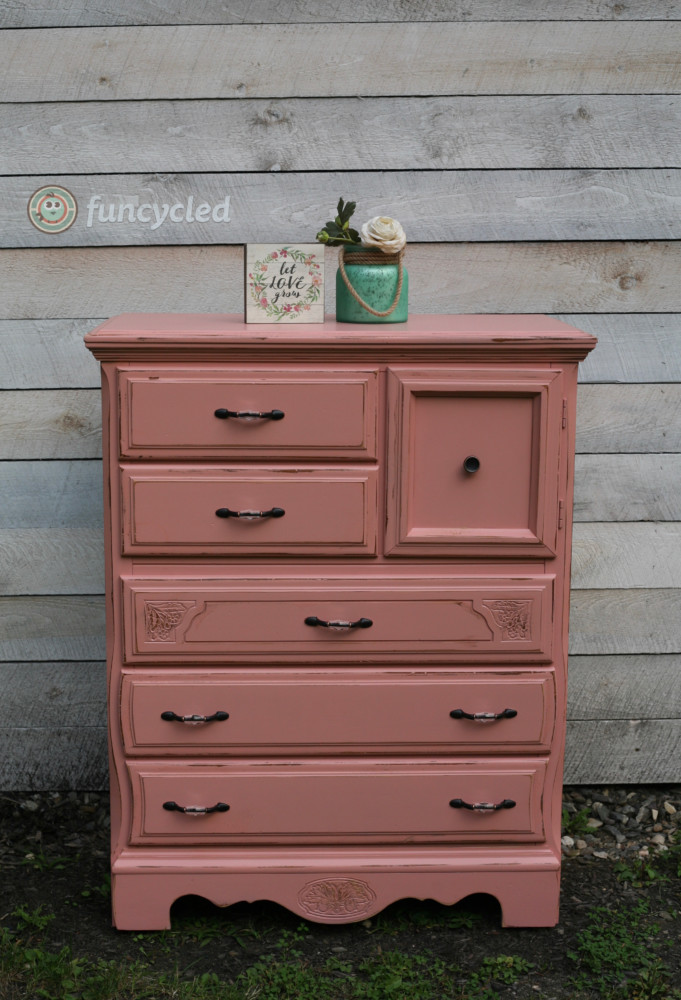
If you prefer a lighter touch, peachy hues, terracottas, or dusty mauves (colors all reminiscent of the 1990’s) are beautiful options for accent furniture, textiles, or wall decor. They recall the warmth of the past but pair seamlessly with today’s clean lines and natural textures.
The peachy-pink color allows the details of this dresser to shine through and adds some 90’s charm while the darker hardware
helps keeps it grounded.
Color Blocking: A Fresh Take on a 1990s Favorite
Few design trends define the 1990s quite like color blocking. Back then, large blocks of bold, often primary hues dominated both fashion and interiors; think cobalt blue, red, and magenta arranged in sharp, geometric forms. While it made a statement, it could also easily overwhelm.
Today’s approach is more refined. To bring this retro technique into modern spaces, focus on contrast and restraint. Choose a high-contrast palette using muted tones and one saturated accent color.
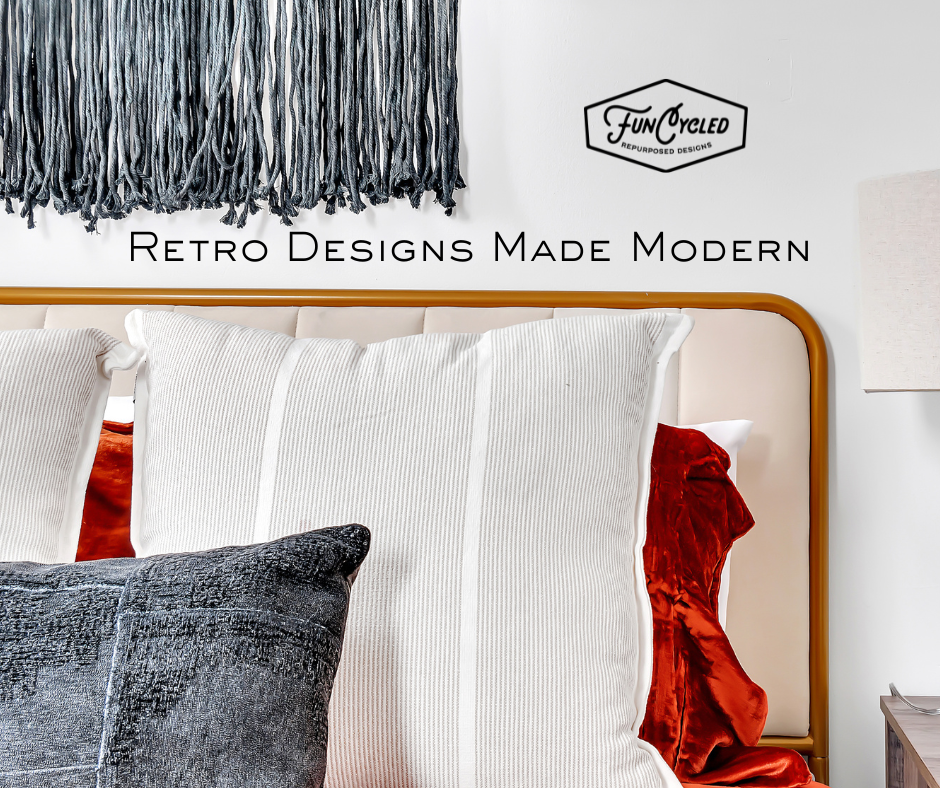
The combination of dark gray, crisp whites, and rich rust in color block style gives a nod to the 90’s while relaying sophistication.
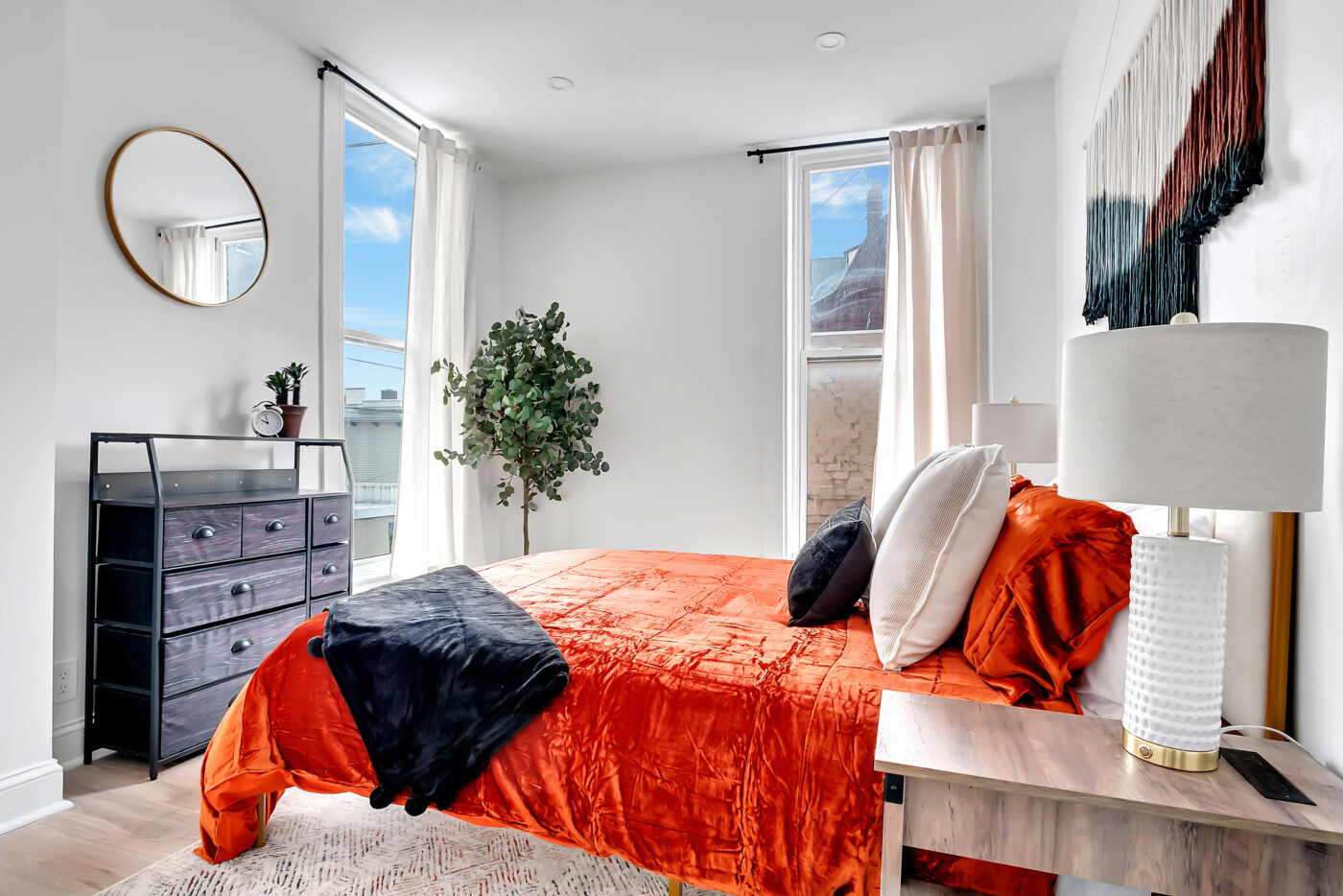
Use color blocking to highlight architectural features or to create subtle visual zones within an open layout. Painted wall sections, contrasting cabinetry, or even upholstery pairings can all echo this trend beautifully without tipping into “modern art overload.”
Style Choices That Feel Fresh, Not Dated
To truly modernize 1990s design, think in terms of contrast and balance. Let vintage-inspired details coexist with contemporary shapes and finishes. Here are some tips:
- Pair a classic pattern, such as plaid, floral, or check (all of which donned homes of the 90’s) with furniture that has simple silhouettes and clean lines.
- When mixing metals, keep the finish subdued rather than shiny. Brushed gold, antique brass, and matte black complement nostalgic tones without tipping into retro overload.
- Embrace warm texture: woven baskets, nubby upholstery, and natural wood grain bring that cozy, collected quality the 90s did so well.
A Nostalgic Touch that Stands the Test of Time
When done thoughtfully, the return of 1990s design feels less like a trend and more like a rediscovery of warmth and authenticity. It’s about celebrating what made those homes inviting while translating them for a modern world.
By balancing nostalgic elements with timeless materials and clean lines, you create a home that feels rooted in memory yet fully present. After all, when design carries a touch of the familiar, it becomes more than just beautiful. It becomes deeply personal.
Final Thoughts
Thank you all for following along! If you’d like to get this blog in your email once a week, please sign up for our weekly newsletter by adding your email in the little box below my picture at the top of this page.
If you’ve enjoyed this post, please like FunCycled on Facebook, Instagram and Pinterest if you don’t already. Keep up to date on the newest finds, vote on colors and give your input on our creativity. We share fun tutorials, great before and after, and new design inspirations.
We offer interior design, kitchen cabinet painting, and custom built tables, barn doors, and repurposed furniture. Thank you for working with us and for taking the time to spread the word about what we do.
Happy FunCycling Friends,
Sarah ;)